Malkiyat Stadion
Sofia · Bulgarian · 6 October 2026 · with Gorazd Popov
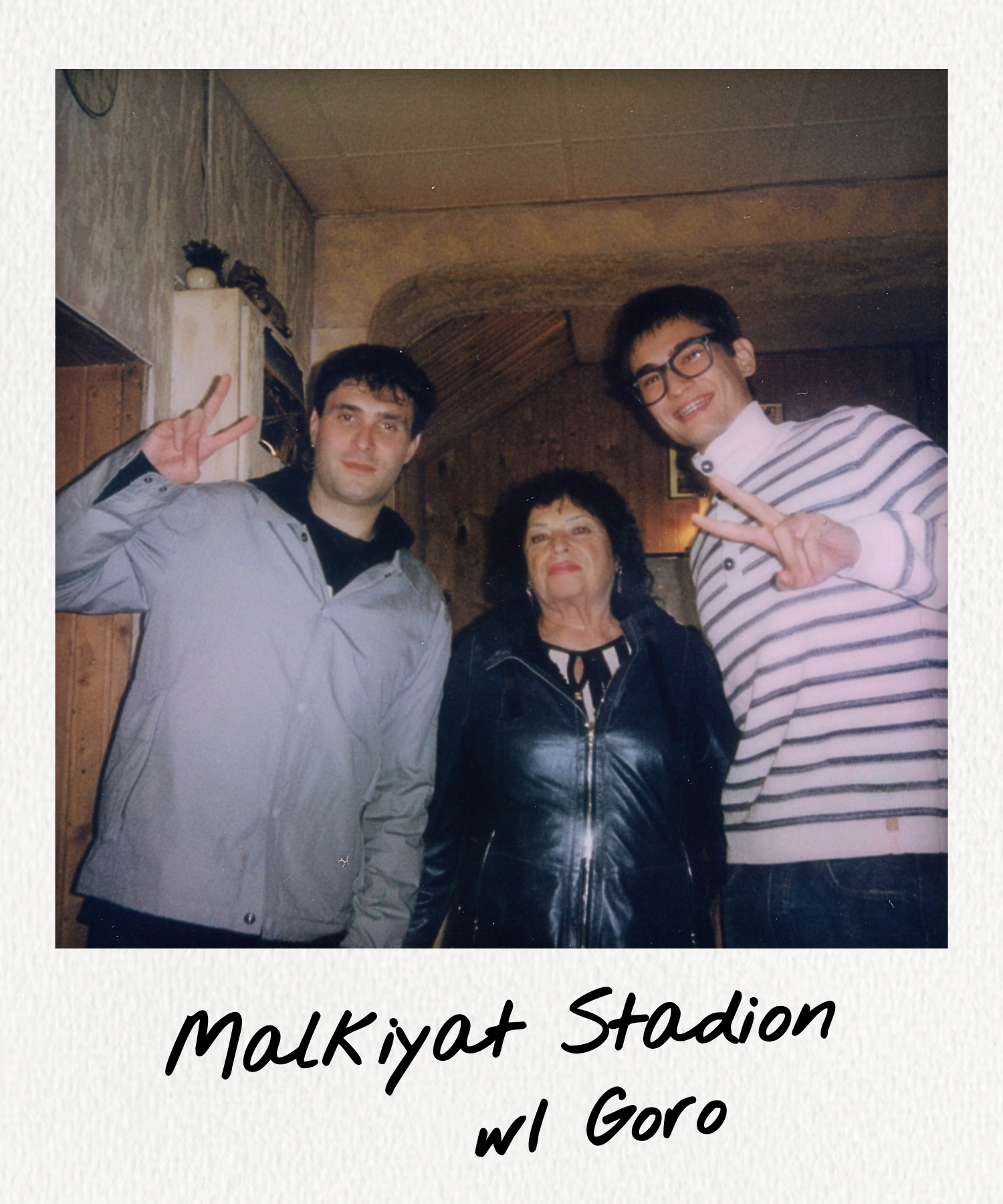
overall
7/10
food
7/10
atmosphere
7.5/10
service
6.5/10
about the guide
Gorazd Popov, better known as Goro, is a DJ and producer from Sofia. He studied audio engineering in Manchester, and after graduating took whatever sound work paid. Then came a couple of years of traveling, including a stay in Berlin, where he played Berghain. Back in Bulgaria, club owners kept giving him grief for dropping chalga, Bulgarian pop-folk, into electronic sets. He named a collective after the complaint. Zabranena Muzika, forbidden music, mixes Balkan rhythms with contemporary club music. Its parties fill venues across the Balkans with crowds of every age and have popularized the sound now called Balkancore. The music club owners once told him to drop has since put him on Boiler Room twice, in Athens and Sofia.
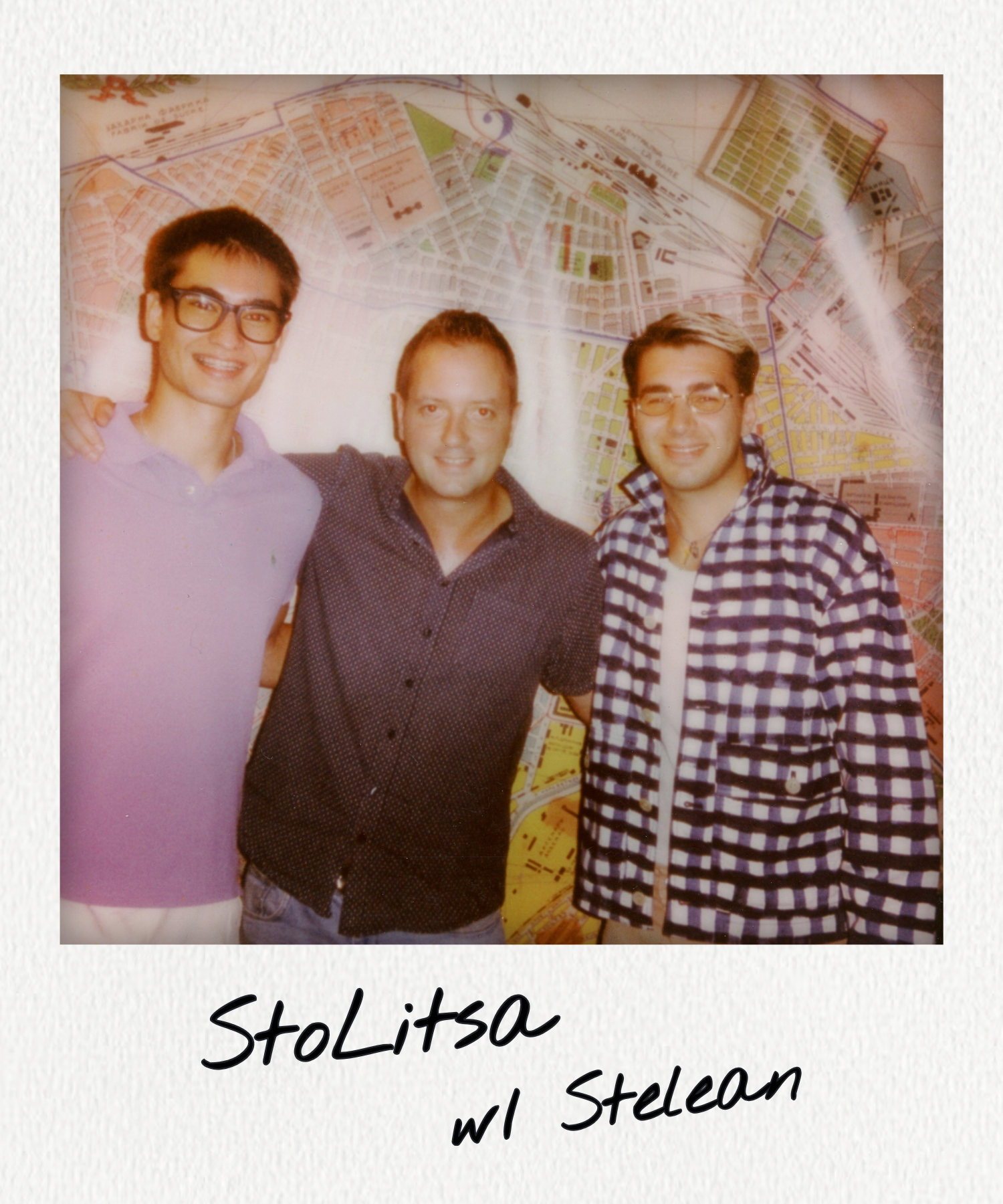
Goro found Malkiyat Stadion on his own after moving back from Berlin. Back then he lived around the corner. There's no English on the menu or on the floor. When one of his Zabranena Muzika sessions was filmed here, plates from this same kitchen went around while he played. Clips from it are how a lot of people discovered him, Boiler Room included.
It was packed when we arrived on a Tuesday night. The crowd was older. Couples, old friends, big groups pushed together, and rakia on every table. Goro calls them the intellectual old folks of Sofia. The talk around us ran to politics, music, and at one table to French cinema from the seventies.
Goro had a rule for the meal. Whatever arrived, he called it meze, something to eat alongside rakia.
He ordered two plates without opening the menu. The first was shopska salad. Easy to make and easy to get wrong, because it lives or dies on the tomatoes. These were right.
The second, chicken hearts in butter, was a split decision. A bit overcooked, a little gummy. Butter and seasoning made them aromatic, so nothing tasted of offal.
Zelevi sarmi, cabbage rolls stuffed with mince and rice, came homemade. The filling was cooked through, and the leaf kept a slight crunch. Kebapcheta were nicely charred. By Goro's account, the best he has had here. Spoonfuls of lyutenitsa sat beside them.
Bob s nadenitsa won the table for me. Bulgarian beans usually come one of two ways, as a thin soup or as yahniya, a thick stew. I'm a yahniya person, and that's what was served. Creamy, full of flavor on its own, with slices of nadenitsa, a pork sausage, for bite.
We sat out in the courtyard garden. Inside is a krachma of the old kind, the Bulgarian tavern, smoky and worn. Wooden boards cover the floor and climb partway up the walls, with textured wallpaper above. Old calendars, photos and drawings cover it, next to TVs playing dubbed soap operas. Some tables have benches instead of chairs, and all of them wear mushama, a wipe-clean oilcloth. When we asked for the bill, one of the women working the floor added it up by hand.
behind the door
Maria owns Malkiyat Stadion and has run it since it opened in 2015. The name, the little stadium, points at the Vasil Levski National Stadium a few streets away. Most of her career was in hotels, planning events. Running a restaurant meant learning to serve, and she now carries plates alongside her waiters. Part of the space used to be a run-down restaurant, which she had fully renovated. The garden opened in the summer of 2026. Maria picks the vegetables at the market herself. The main menu hasn't changed in years, but the lunch menu changes occasionally. Ask her what brings people back and she gives a list. Traditional food, the prices, the regulars.
what others said
been here? sign in to add your take